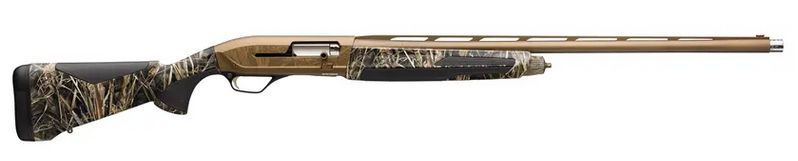
Shotgun Gauges and Chokes: What the Numbers on the Barrel Mean
Shotguns are described in a language that predates the metric system and makes little sense until someone explains it. Gauge is a measure of bore size expressed as a count of lead balls. Chamber length is stamped on the barrel in inches and limits the shells you may fire. Choke is a constriction at the muzzle that decides how tightly the shot pattern holds together. Once those three ideas are clear, choosing a shotgun and setting it up for a purpose is straightforward. This guide explains them and then matches gauge and choke to the common uses.
Gauge
The gauge number is the number of lead balls of the bore's diameter that weigh a pound. Twelve balls the size of a 12-gauge bore weigh a pound; twenty balls the size of a 20-gauge bore weigh a pound. So a smaller number means a bigger bore. The .410 is the exception, named for its bore diameter in inches; it would be roughly a 67 gauge. The gauges you will actually meet are 12, 20, 28 and .410, with 16 and 10 as specialists.
Twelve gauge is the standard for a reason: the widest range of shells, the heaviest payloads for waterfowl and turkey, and the cheapest practice loads. Twenty gauge throws about two-thirds the shot of a 12 in a lighter gun with noticeably less recoil, and it is the right answer for smaller or recoil-sensitive shooters and for upland birds. The 28 is a delightful upland gun that costs more to feed. The .410 is a small-game and pest gun that is harder to hit with than its size suggests, not a beginner's gun despite the tradition.
Chamber length and shells
The barrel is stamped with the longest shell it may fire: two and three-quarter inches, three inches or three and a half. A gun chambered for three-inch shells fires shorter ones safely; never the reverse. Shell length is about payload, not power in the sense most people mean; a three-inch magnum simply holds more shot. For clays and upland birds two and three-quarter inch shells do everything. For waterfowl and turkey, three-inch shells with heavier payloads earn their extra recoil. Shot size runs backwards too: number 8 is small for clays and doves, number 4 to 6 for pheasant and turkey, BB and larger for geese, and buckshot is a separate scale with 00 buck the usual defensive load.
Choke
Choke is a slight narrowing of the last inch or two of the barrel. Less constriction spreads the pattern wider; more holds it together further out. The standard set, from most open to tightest, is cylinder, improved cylinder, modified, improved modified and full, with extra-full chokes for turkey. Most modern shotguns take screw-in choke tubes so one barrel does every job. A rough guide to the effective range of a good pattern: cylinder to twenty yards, improved cylinder to twenty-five, modified to thirty-five, full to forty and beyond.
Steel shot, required for waterfowl, patterns tighter than lead and should not be fired through a full choke unless the tube is marked for it. Buckshot generally patterns best through improved cylinder or modified. Slugs for deer want a cylinder or rifled choke tube, or a dedicated rifled barrel.
Actions
Pump shotguns are inexpensive, reliable with any shell and the usual choice for a first field or home gun. Semi-automatics cost more, recoil less because the action absorbs some of it, and can be fussy with light loads. Over-and-unders and side-by-sides give two chokes and are the classic clays and upland guns. Single-shots are the cheapest and are fine for a first youth gun.
Matching gauge and choke to the job
- Clays and doves: 12 or 20 gauge, improved cylinder or modified, number 7½ or 8 shot.
- Upland birds: 20 gauge, improved cylinder and modified, number 6 shot.
- Ducks: 12 gauge, three-inch chamber, modified, steel number 2 or 3.
- Geese: 12 gauge, three or three-and-a-half inch, modified or improved modified, steel BB.
- Turkey: 12 or 20 gauge, extra-full turkey choke, number 4 to 6 shot or a tungsten load.
- Deer where slugs are required: 12 or 20 gauge, rifled barrel or rifled choke, sabot slugs.
- Home defence: 12 or 20 gauge pump or semi-auto with an eighteen-and-a-half inch barrel, cylinder or improved cylinder, 00 buck or number 1 buck in 20.
Barrel length
Barrel length on a shotgun is about balance and swing, not velocity; a shell burns its powder in the first eighteen inches. Twenty-six inch barrels swing quickly for close upland birds and grouse in cover, twenty-eight inch barrels steady the swing on passing ducks and clays, and thirty-inch barrels are the trap and sporting-clays length. Eighteen-and-a-half inches is the legal minimum and the standard for a home-defence gun, where a short gun turns corners. A pump or semi-auto with two barrels, one long and one short, is a common and sensible way to cover the field and the house with one action.
Patterning
Every shotgun and choke combination patterns differently with different shells. Fire at a large sheet of paper at the distance you expect to shoot and count the hits in a thirty-inch circle. For birds you want an even spread with no gaps a bird could fly through; for turkey you want a dense core; for buckshot you want every pellet on a silhouette at the room distance you care about. Twenty minutes of patterning teaches more than any chart.
Fit and recoil
A shotgun that fits comes up to the shoulder with the eye looking straight down the rib. Stock length matters more than in a rifle; youth and compact stocks exist for a reason. Recoil pads, gas-operated semi-autos and 20 gauge all tame recoil for anyone who finds a 12-gauge pump unpleasant, and a shooter who flinches will not hit anything.
Browse shotguns and hunting shotguns in the catalogue, see how a shotgun reaches your dealer in the buying guide, and check your state's deer rules on the city pages.
General information, not legal advice. Current as of September 2026. Laws change; check the official source before you act.